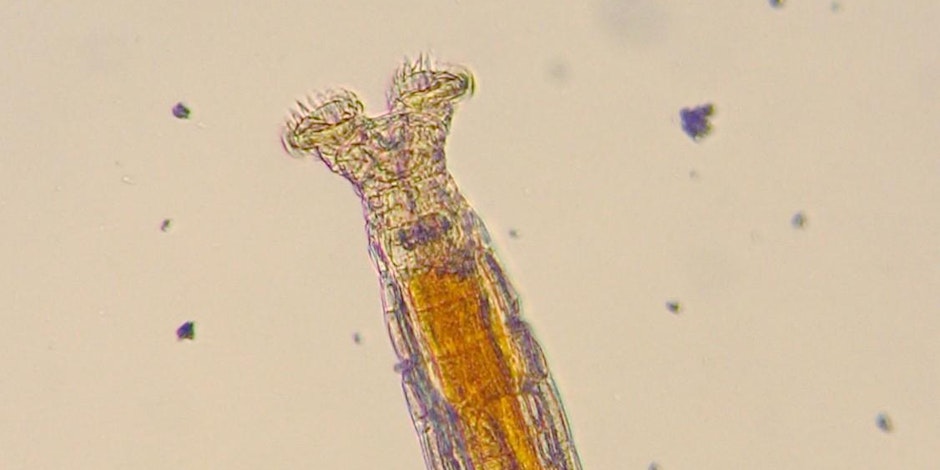
‘SEX, DNA AND CHEMISTRY IN MICROSCOPIC ANIMALS: THE STRANGE TALE OF ROTIFERS', by Dr Chris Wilson, BA, DPhil (Oxon)
This event is hosted by the u3a Science Network.
| Event type: | Meeting |
| Date: | 1st October 2025 |
| Time: | 2:00 pm - 3:00 pm |
| Booking: | Note that booking is required. |
Bdelloid rotifers are tiny filter-feeding animals that live in freshwater habitats worldwide: in ponds, streams and lakes, even where the water sometimes dries up or freezes, like moss, soil, puddles and ice sheets. They are among the most resilient of all animals and have some of the strangest biology. Unlike other known animals, all bdelloid rotifers are females, with no sightings of males in the 300 years since they were discovered. Rotifer mothers lay eggs that hatch into genetic copies of themselves, without sex, sperm or fertilisation. Another surprise is that bdelloid rotifers have been stealing DNA from other organisms on a massive scale by a process called horizontal gene transfer. About one in ten of their genes have been copied from different kinds of life, including bacteria, fungi and even plants. Among these stolen genes, we recently discovered that bdelloid rotifers have copied dozens of recipes for antibiotic chemicals from bacteria, which the rotifers now use to fight off their own diseases. This unusual defensive strategy could lead to short-cuts in the race to develop new drugs against antibiotic-resistant infections in human patients. It also sheds light on the strangely sexless lifestyle of these peculiar animals.
ABOUT THE SPEAKER: Dr Wilson is a Lecturer in Biology at the University of Oxford. Originally from Kent, he completed undergraduate studies at St Anne’s College and a doctorate at Cornell University in the USA before returning to the UK, where he has held research fellowships and teaching positions at Imperial College London and St Hilda’s College, Oxford. He is interested in the causes and consequences of sexual versus asexual reproduction. To address this, he studies the ecology, evolution and genomics of microscopic freshwater rotifers and their natural enemies, especially disease-causing fungi.
This event is free for u3a members but it's essential to register in advance. See here .